
Get Porous Pavement Installation in Denver, CO
Porous pavement installation services help Denver property owners reduce runoff, improve drainage, and create durable surfaces for driveways, parking lots, walkways, and other outdoor projects.
Porous pavement installation is an effective solution for property owners in Denver, CO seeking to improve drainage and reduce runoff on their land. Whether managing a residential driveway, commercial parking lot, or community space, porous surfaces can help address local weather challenges by allowing water to pass through and absorb into the ground. This approach not only supports sustainable land use but also helps prevent pooling and erosion, making it a practical consideration for property owners planning future improvements.
For those exploring options for their property, there are numerous local contractors experienced in installing porous pavement systems throughout Denver and nearby areas. Comparing these service providers can help identify the right fit for your specific project needs. Continuing to read can provide insights into the benefits of porous pavement and how local experts can assist in designing and implementing a solution tailored to your property’s requirements.
- Parking lot resurfacing - when existing pavement is cracked or deteriorated and needs an eco-friendly drainage solution.
- Driveway installation - for homeowners seeking a permeable surface that reduces runoff in neighborhoods like Capitol Hill or Wash Park.
- Walkway upgrades - when replacing traditional concrete paths with porous pavement for better water management.
- Commercial property paving - for businesses in Denver’s industrial areas looking to improve stormwater flow and curb appeal.
- Landscape redesign projects - when incorporating permeable surfaces to enhance garden or yard drainage in residential settings.
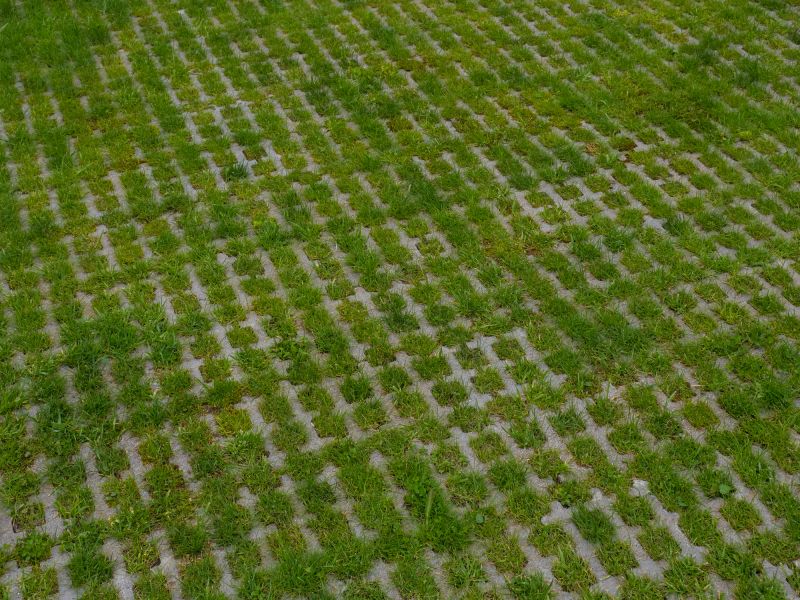
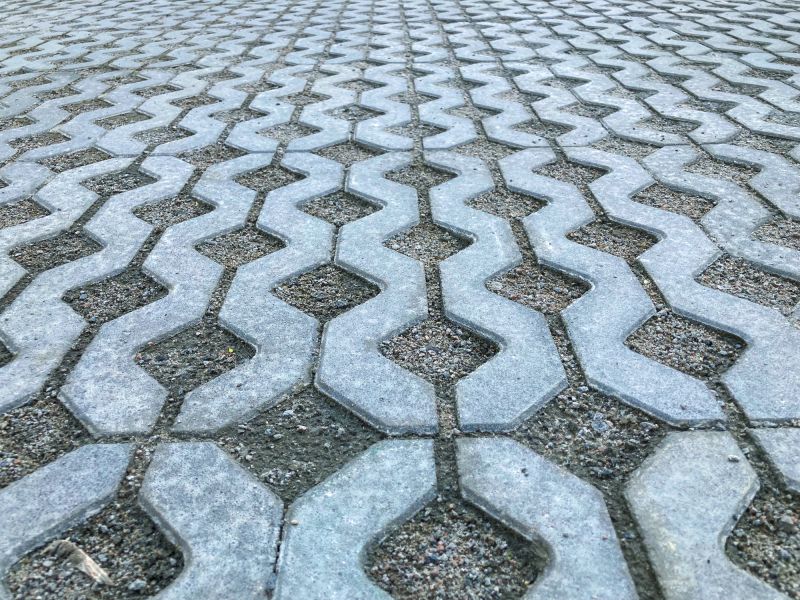

Porous pavement installation involves creating a specially designed surface that allows water to pass through it and be absorbed into the ground below. This type of pavement is typically made from porous concrete, asphalt, or interlocking pavers that have gaps or openings to facilitate drainage. The installation process includes preparing the existing surface, adding a layer of aggregate base, and then laying the permeable material to ensure proper water flow. This approach helps manage stormwater runoff effectively while providing a durable and functional surface for driveways, walkways, parking areas, and other paved surfaces.
One of the primary benefits of porous pavement is its ability to address drainage problems that often occur with traditional concrete or asphalt surfaces. In areas prone to pooling water, flooding, or erosion, porous pavement can significantly reduce these issues by allowing water to seep through and be absorbed naturally. It also helps prevent water from overwhelming storm drains, which can lead to localized flooding and property damage. Additionally, porous pavement can reduce ice formation in winter by allowing melting snow and ice to drain away quickly, improving safety and accessibility during snowy months.
This service is commonly used on residential properties, especially for driveways, patios, and walkways where homeowners want to improve water management without sacrificing curb appeal. Commercial properties, such as parking lots and business entrances, also frequently utilize porous pavement to meet drainage requirements and reduce runoff. In areas with high rainfall or frequent storms, porous pavement provides an effective solution for maintaining safe, functional outdoor spaces. Property owners seeking to enhance drainage, reduce standing water, or comply with local stormwater regulations often turn to local contractors specializing in porous pavement installation.
Professionals who handle porous pavement installation are equipped to assess the specific needs of each property and recommend the most suitable materials and design options. They can help determine the appropriate thickness, base layers, and surface materials to ensure long-lasting performance. Whether for a residential driveway or a commercial parking lot, experienced service providers can deliver a solution that improves water drainage, minimizes erosion, and enhances the overall usability of outdoor spaces. Contacting local contractors can help property owners find the right expertise for their porous pavement needs.
The overview below groups typical Porous Pavement Installation projects into broad ranges so you can see how smaller, mid-sized, and larger jobs often compare in Denver, CO.
In many markets, a large share of routine jobs stays in the lower and middle ranges, while only a smaller percentage of projects moves into the highest bands when the work is more complex or site conditions are harder than average.
Smaller Repairs - Typical costs for minor porous pavement repairs or patching in Denver range from $250-$600. Many routine jobs fall within this middle range, depending on the extent of the damage and materials used.
Standard Installation - Installing porous pavement on a driveway or parking area usually costs between $3,000 and $8,000 for most local projects. Larger or more complex installations can reach $10,000+ but are less common.
Full Replacement - Replacing existing pavement with porous materials generally falls between $8,000 and $15,000, depending on the size of the area and site conditions. Projects in this range are typical for larger commercial or residential sites.
Custom or Large-Scale Projects - Extensive installations, such as parking lots or commercial landscapes, can cost $20,000 or more. These larger projects are less frequent but represent the upper end of typical cost ranges for local contractors.
Actual totals will depend on details like access to the work area, the scope of the project, and the materials selected, so use these as general starting points rather than exact figures.
Paving and Asphalt Services - local contractors who specialize in paving often have experience with permeable surfaces and drainage planning similar to porous pavement installation.
Landscape Drainage Projects - professionals managing landscape drainage systems are skilled in grading, soil preparation, and water management techniques related to permeable pavement work.
Concrete Paving Services - concrete installers frequently work with surface materials and sub-base preparation, which are essential aspects of porous pavement installation.
Parking Lot Resurfacing - contractors handling parking lot upgrades often incorporate permeable paving solutions to improve drainage and surface durability.
Hardscape Construction - experts in hardscape design and installation have experience with integrating permeable surfaces into walkways and patios.
Stormwater Management Systems - specialists designing stormwater solutions are familiar with the planning and installation of permeable paving to control runoff effectively.
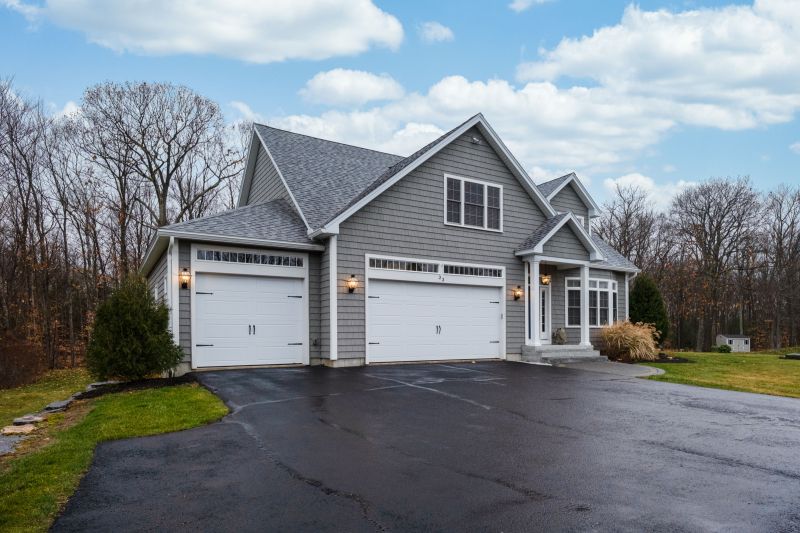
When choosing a contractor for porous pavement installation, it’s important to consider their experience with similar projects in the Denver area. Homeowners should look for service providers who have a proven track record of completing porous paving jobs, especially those that match the scope and complexity of the work needed. Asking about past projects can provide insight into their familiarity with local soil conditions, climate considerations, and best practices for durable, effective installations. This experience helps ensure that the chosen contractor understands the specific challenges and requirements of porous pavement systems in the local environment.
Clear, written expectations are essential to a successful project. Homeowners should seek service providers who can provide detailed proposals outlining the scope of work, materials to be used, and the steps involved in the installation process. Having this information in writing helps prevent misunderstandings and sets a solid foundation for the project. It’s also beneficial to confirm that the contractor can answer questions and clarify any uncertainties about the process, ensuring everyone is aligned on the goals and procedures before work begins.
Reputable references and effective communication are key factors when comparing local contractors. Homeowners are encouraged to ask for references from previous clients who had similar porous pavement projects completed. Speaking with past customers can reveal insights about the contractor’s reliability, professionalism, and quality of work. Additionally, choosing a service provider who maintains open, responsive communication can make the process smoother and more transparent. While this site introduces homeowners to local options, it’s important to evaluate each contractor’s experience, clarity of expectations, and communication style to find the best match for the project.
Property owners in Denver, CO use Porous Pavement Installation services for practical projects around their homes and businesses. This guide focuses on everyday jobs and straightforward project options.
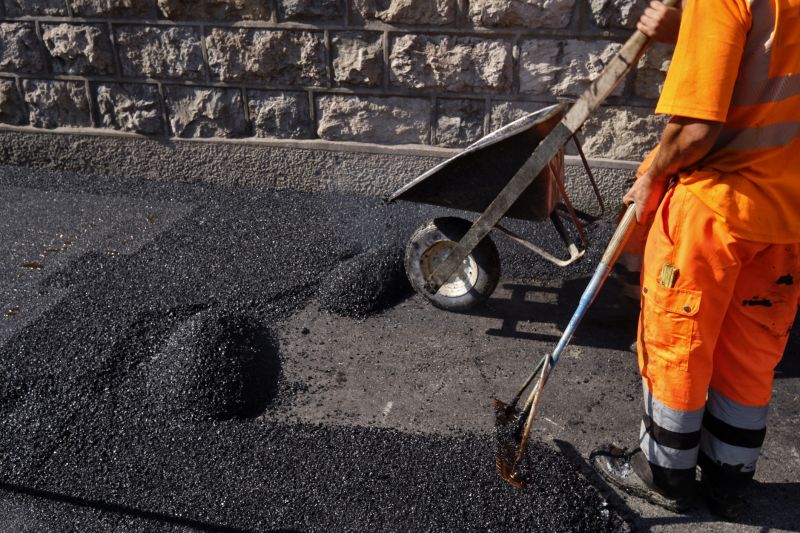

Porous pavement installation is often sought after by property owners in Denver who want to improve drainage around their driveways, parking lots, or walkways. Heavy rainstorms and snowmelt can lead to pooling or minor flooding, making it necessary to find solutions that help water soak into the ground more effectively. Local contractors can assess the specific needs of a property and recommend porous paving options that reduce runoff and prevent water from pooling on surfaces, helping to maintain safety and accessibility during Denver’s varied weather conditions.
Property owners may also look for porous pavement services when planning new construction or renovations to meet local regulations or to enhance the functionality of outdoor spaces. Whether installing a permeable surface to manage stormwater or upgrading existing pavement to reduce environmental impact, local service providers can handle these projects efficiently. They bring familiarity with Denver’s climate and soil conditions, ensuring that the porous pavement installation is durable and suited to the area’s unique requirements.
What are porous pavements used for? Porous pavements are designed to allow water to pass through, making them suitable for driveways, walkways, and parking areas where drainage is important.
How is porous pavement installed? Local contractors typically prepare the site, lay a suitable base, and install the porous material, ensuring proper drainage and stability.
Are porous pavements durable for high-traffic areas? Many porous pavement options are built to withstand regular use, making them a practical choice for driveways and parking lots.
Can porous pavement be customized to match existing surfaces? Yes, there are various styles and finishes available that can be coordinated with existing landscaping or hardscaping features.
What maintenance is required for porous pavements? Maintenance usually involves periodic cleaning to prevent clogging and ensuring proper drainage, which local service providers can assist with.
Driveway and Parking Area Improvements - Installing porous pavement can help property owners create functional, permeable surfaces for driveways and parking lots that reduce runoff and improve drainage.
Garden Pathways and Walkways - Local contractors can install porous pathways that allow rainwater to filter through, making outdoor walking areas safer and more sustainable.
Playground and Recreational Spaces - Property owners can enhance outdoor play areas with porous pavement to ensure proper drainage and minimize muddy spots after rain.
Business and Commercial Landscaping - Businesses can incorporate porous pavement into their landscaping plans to manage stormwater effectively while maintaining an attractive exterior.
If you are thinking about Porous Pavement Installation for a property in Denver, CO, this guide is meant to help you understand the work, the typical project types, and how different options might fit your plans.
When you are ready, you can use the quote form on this page to share a few details about your project. From there, local pros can review the basics and respond with options that match what you have in mind.