
Get Subdivision Paving in Denver, CO
Subdivision paving services offered by local contractors in Denver help property owners repair, expand, or install durable roads, driveways, and parking areas to improve safety and functionality.
If property owners in Denver, CO, are considering subdivision paving projects, they are likely looking for reliable solutions to enhance accessibility, improve property value, or prepare land for development. Proper planning and execution are essential for ensuring durable, long-lasting results that meet local standards and specific site conditions. Exploring options from nearby contractors can help identify the most suitable approach for your project’s scope and requirements, making it easier to compare different services and find the right fit.
Connecting with experienced service providers in the Denver area can simplify the process of planning your subdivision paving work. These local contractors understand the region’s unique climate and terrain, enabling them to deliver tailored solutions that stand up to local challenges. Keep reading to discover how to find reputable paving specialists who can support your project from initial planning through to completion.
- Subdivision paving - when developing new neighborhoods or residential communities in areas like Denver’s Highlands or Stapleton.
- Street and driveway paving - for property owners needing durable surfaces in neighborhoods such as Capitol Hill or University Hill.
- Commercial subdivision paving - in commercial zones requiring organized parking lots and access roads in the Denver Tech Center or LoDo.
- Residential paving expansion - when homeowners in suburbs like Aurora or Lakewood add new driveways or expand existing paved areas.
- Roadway and lot grading - prior to paving in areas undergoing new development or infrastructure upgrades in nearby suburbs.
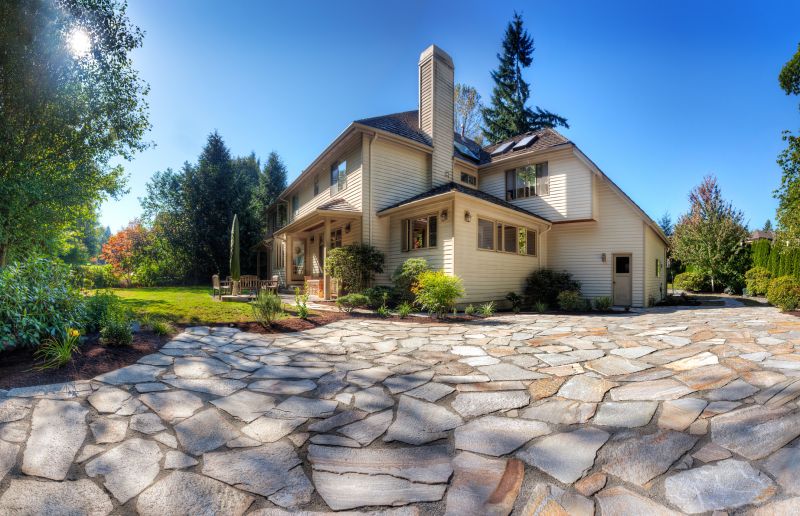
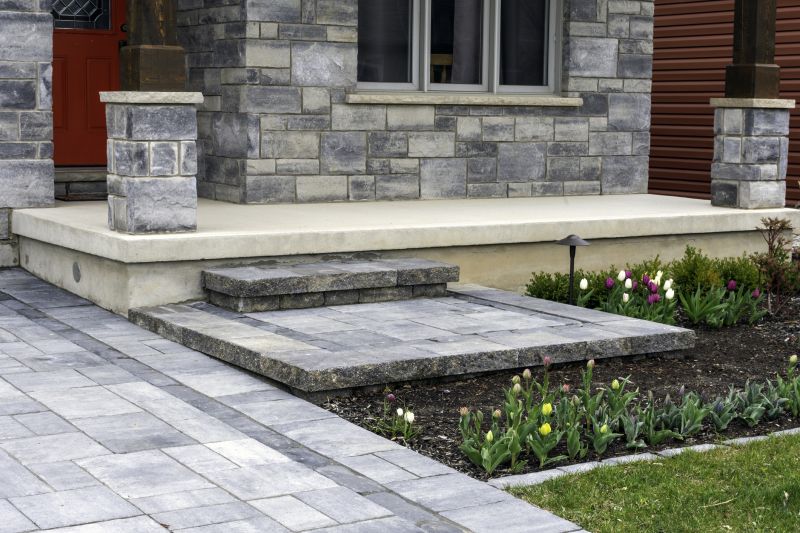
Subdivision paving services involve the installation, repair, and maintenance of paved surfaces within residential or commercial subdivisions. This work typically includes laying asphalt or concrete roads, driveways, walkways, and parking areas that serve multiple properties. Skilled contractors prepare the ground, ensure proper drainage, and apply the necessary materials to create durable, smooth surfaces that can withstand regular use and weather conditions. Proper subdivision paving not only enhances the appearance of a neighborhood but also contributes to the safety and functionality of shared spaces.
One of the main issues subdivision paving helps address is the deterioration of existing paved surfaces. Over time, roads and driveways can develop cracks, potholes, and uneven areas due to constant traffic, freeze-thaw cycles, and general wear. These problems can pose safety hazards, cause damage to vehicles, and lead to costly repairs if not addressed promptly. By investing in new paving or repairs, property owners can prevent further deterioration, improve accessibility, and maintain the overall value of the neighborhood.
Subdivision paving is commonly used on properties that include multiple residences, apartment complexes, gated communities, and commercial developments. Homeowners associations or property managers often coordinate these projects to ensure that roads, parking lots, and pathways are safe and visually appealing. These services are also suitable for new developments that require initial paving or existing subdivisions needing upgrades to accommodate increased traffic or meet current standards. Whether for routine maintenance or large-scale installation, local contractors can provide the expertise needed to complete the work effectively.
Homeowners or property managers might consider subdivision paving services when facing issues like cracked or crumbling asphalt, poor drainage causing water pooling, or outdated paving that no longer meets safety standards. These services can also be beneficial when planning for expansion or road improvements to support growing communities. By connecting with experienced service providers, property owners can find solutions tailored to their specific needs, helping to ensure that shared surfaces are safe, functional, and visually coordinated within the neighborhood.
The overview below groups typical Subdivision Paving projects into broad ranges so you can see how smaller, mid-sized, and larger jobs often compare in Denver, CO.
In many markets, a large share of routine jobs stays in the lower and middle ranges, while only a smaller percentage of projects moves into the highest bands when the work is more complex or site conditions are harder than average.
Smaller Repairs - Typically range from $250 to $600 for minor patching, crack filling, or small resurfacing projects. Many routine jobs fall within this middle range, depending on the extent of the work needed.
Driveway Paving - Expect costs between $2,000 and $5,000 for standard residential driveways, with larger or more intricate designs potentially reaching $6,000 or more. Most projects in Denver and nearby areas tend to land in the lower to mid part of this range.
Full Driveway Replacement - Larger projects involving complete removal and new paving often cost between $5,000 and $10,000, though complex or custom designs can push beyond that. These higher-tier jobs are less common but are handled by experienced local contractors.
Commercial Paving Projects - Larger-scale paving for parking lots or commercial properties can vary widely, typically starting around $10,000 and reaching $50,000+ for extensive sites. The cost depends heavily on size, scope, and material choices, with most projects falling into the mid-to-high range.
Actual totals will depend on details like access to the work area, the scope of the project, and the materials selected, so use these as general starting points rather than exact figures.
Parking Lot Paving - local contractors experienced in paving large commercial or public parking areas utilize similar skills in surface preparation and asphalt installation as subdivision paving projects.
Driveway Construction - driveway paving requires comparable planning, grading, and asphalt or concrete work that aligns with subdivision paving techniques.
Roadway Repaving - repaving existing roads involves similar surface assessment, material application, and planning skills used in subdivision paving services.
Sidewalk and Walkway Paving - installing sidewalks and walkways involves precise planning, grading, and surface finishing comparable to subdivision paving projects.
Golf Course Pathway Paving - creating pathways in golf courses requires similar surface preparation, material handling, and planning skills as subdivision paving.
Industrial Surface Paving - industrial paving projects involve large-scale surface preparation and asphalt or concrete work akin to subdivision paving services.
When comparing contractors for subdivision paving services, it’s important to consider their experience with similar projects in the Denver area or nearby communities. A contractor’s familiarity with local soil conditions, weather patterns, and municipal requirements can influence the quality and durability of the paving work. Homeowners should inquire about the types of subdivision projects a service provider has handled in the past to ensure they have relevant experience that aligns with the scope and complexity of the job at hand.
Clear, written expectations are essential to avoid misunderstandings and ensure the project proceeds smoothly. Homeowners are encouraged to request detailed proposals that outline the scope of work, materials to be used, and specific responsibilities of each party. Having this information in writing helps establish a transparent process and provides a reference point throughout the project. Well-defined expectations also make it easier to compare different service providers based on the thoroughness and clarity of their proposals.
Reputable references and effective communication are key indicators of a reliable contractor. Homeowners should seek out local service providers who can provide references from previous clients with similar projects, allowing for firsthand insights into their work quality and professionalism. Good communication throughout the process-such as responsiveness to questions and clarity in explaining options-can significantly impact the overall experience. It’s worth considering how well a contractor listens and responds, as these qualities often reflect their commitment to customer satisfaction and project success.
Property owners in Denver, CO use Subdivision Paving services for practical projects around their homes and businesses. This guide focuses on everyday jobs and straightforward project options.
Subdivision paving services are commonly needed when property owners in Denver, CO are looking to improve or expand their driveways, parking lots, or private roads within residential neighborhoods. Whether preparing for new construction, resurfacing aging pavement, or ensuring smooth access for daily activities, local contractors can provide the expertise to handle these projects efficiently. Property owners often seek these services to enhance curb appeal, increase property value, or create safer, more functional outdoor spaces for families and visitors.
In many cases, property owners might pursue subdivision paving to address issues like uneven surfaces, cracks, or drainage problems that develop over time. These services are also useful when planning new developments or subdivisions, requiring durable paving solutions that meet local standards. Local paving contractors can assist with a variety of needs, from minor repairs to complete resurfacing, helping property owners maintain attractive and accessible outdoor areas throughout Denver and surrounding communities.
What is subdivision paving? Subdivision paving involves installing or repairing paved surfaces such as roads, driveways, and parking areas within residential or commercial subdivisions, ensuring proper access and functionality.
Why should I consider professional subdivision paving services? Professional contractors can ensure the paving is durable, properly installed, and compliant with local standards, helping to maintain safety and property value.
What types of paving materials are used in subdivision projects? Common materials include asphalt, concrete, and sometimes gravel, depending on the project requirements and local preferences.
How do local contractors prepare for subdivision paving projects? They typically evaluate the site, assess soil conditions, and plan the paving layout to ensure a stable and long-lasting surface.
What factors influence the choice of paving method for a subdivision? Factors include the intended use of the paved area, traffic load, soil conditions, and local climate considerations.
Driveway Expansion - Property owners can work with local contractors to extend or improve their driveway for additional parking or easier access.
Pathway Installation - Installing paved walkways around a property enhances safety and accessibility for daily outdoor activities.
Parking Area Paving - Upgrading or creating a paved parking lot helps manage vehicle storage and reduces mud or erosion issues.
Patio and Outdoor Space Paving - Paving outdoor areas provides a durable surface for entertaining, relaxing, or outdoor dining.
If you are thinking about Subdivision Paving for a property in Denver, CO, this guide is meant to help you understand the work, the typical project types, and how different options might fit your plans.
When you are ready, you can use the quote form on this page to share a few details about your project. From there, local pros can review the basics and respond with options that match what you have in mind.